
London With Kids
You could spend a year in London and still not see it all. The British Capital is essentially twenty villages stitched together by the Tube, and picking the right two or three for a holiday does more for the trip than trying to cram it all in. This itinerary stays mostly in the East and the South Bank —with a loop into Central for the Classics.
The Short List
The places we’d build the trip around
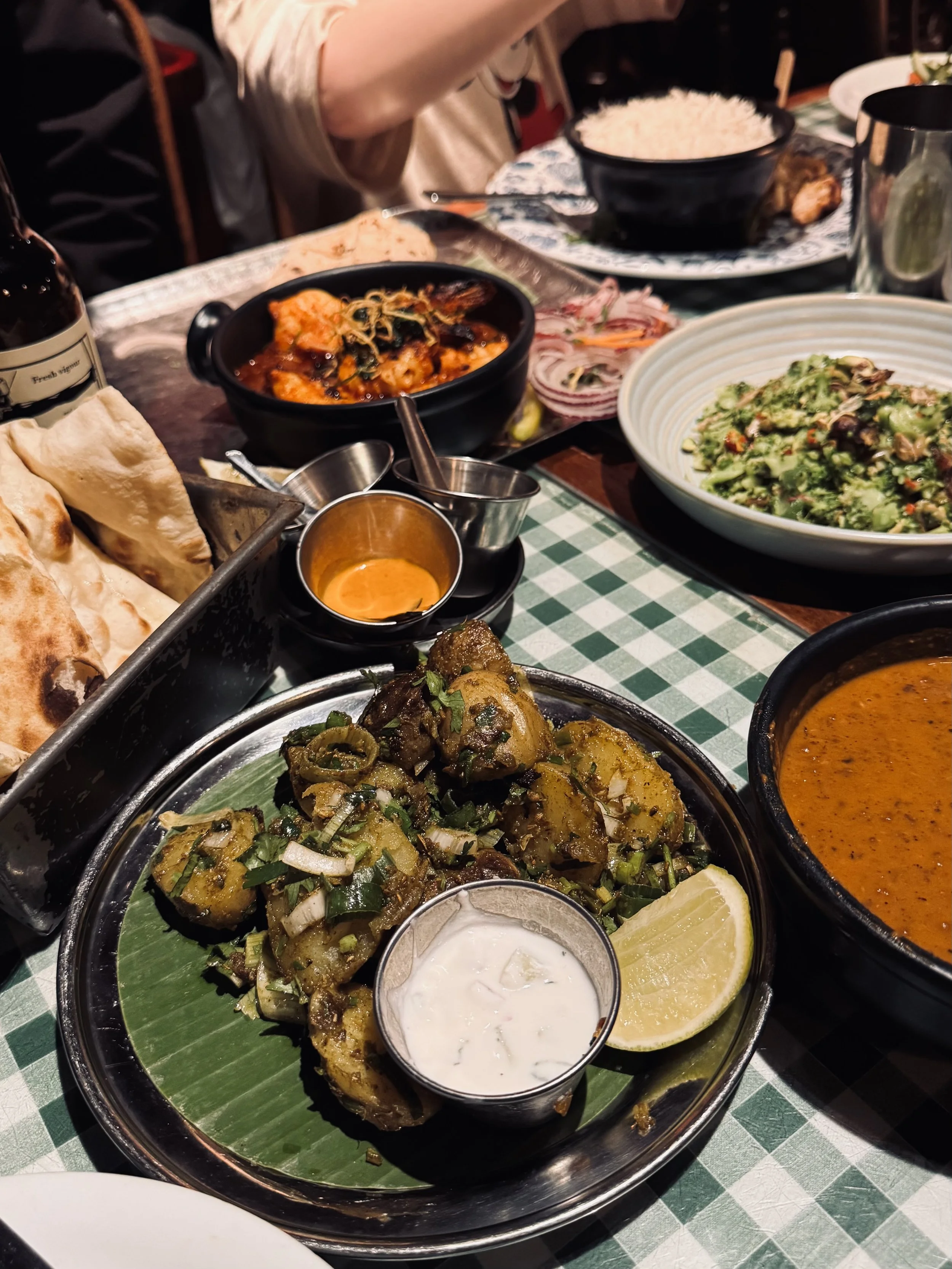
Bustling all day cafe known for Bombay-inspired comfort food and its nod to the historic Irani cafes of the Twentieth Century in Bombay. Full kids menu.
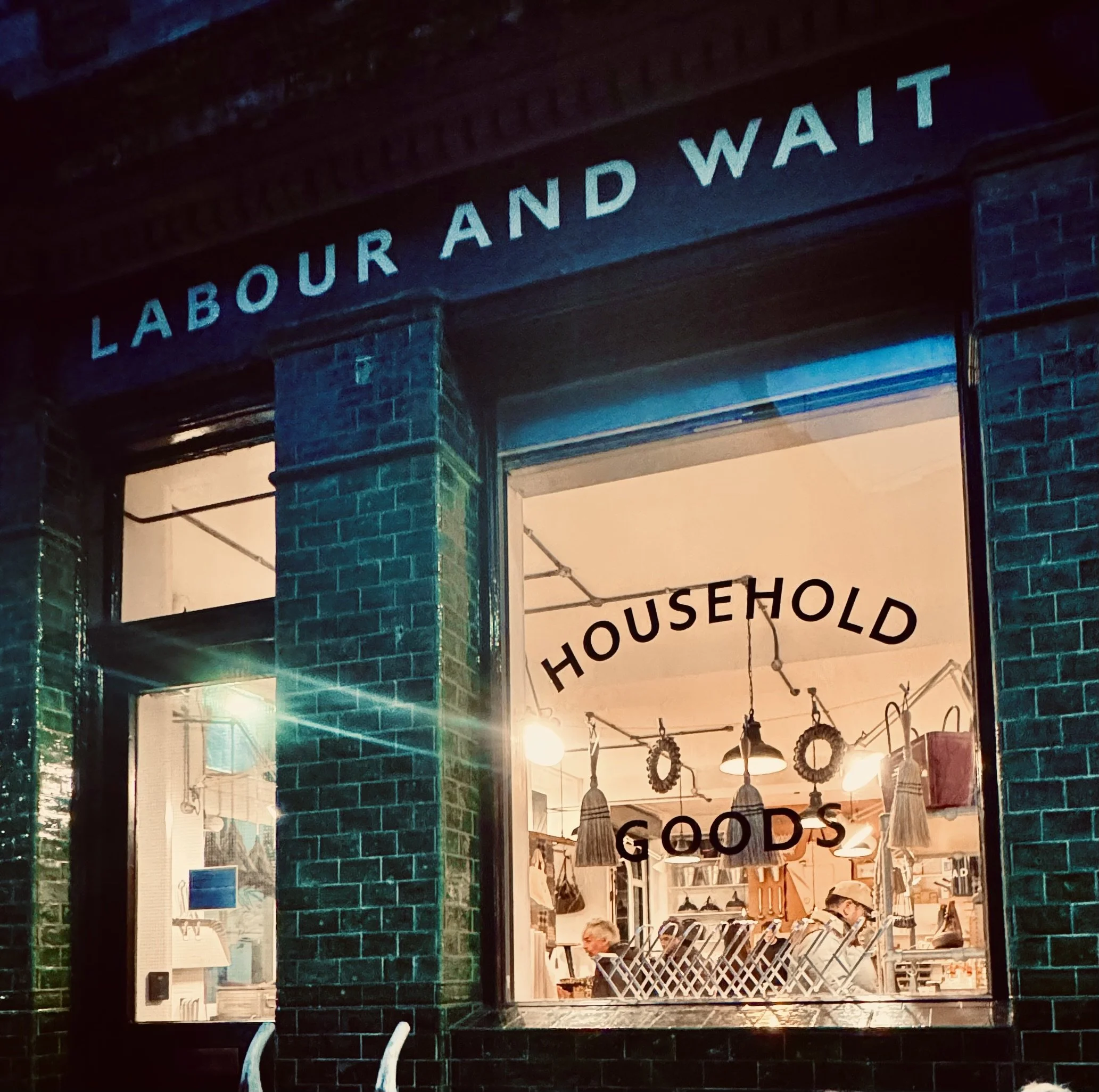
Beautifully curated British homewares and timeless everyday essentials. It’s more for grown-ups than kids, but hey, this is your trip too.
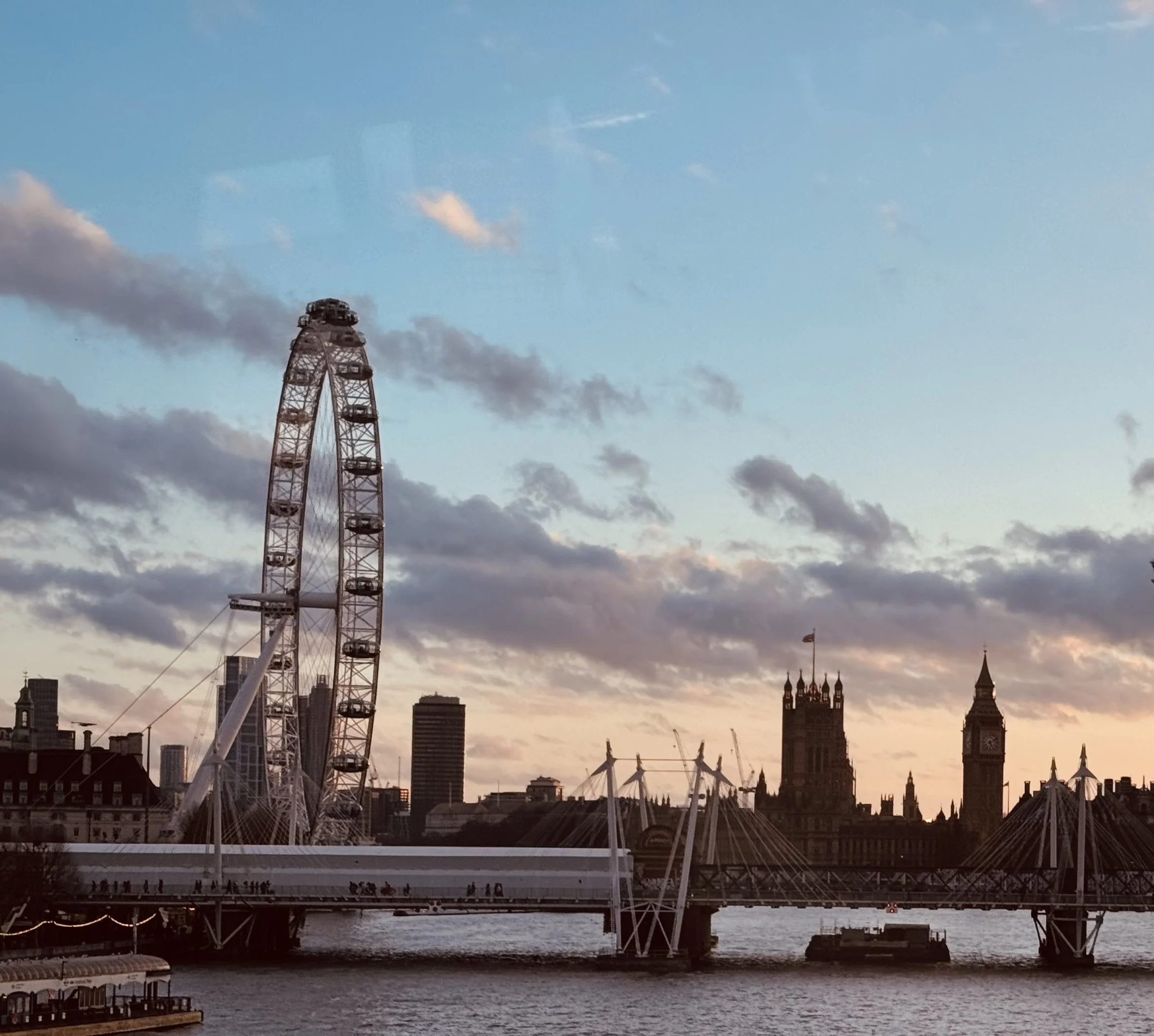
Iconic giant wheel with unbeatable panoramic views across London. It meanders around slowly enough that even hesitant kids will be fine. Buy tickets ahead.
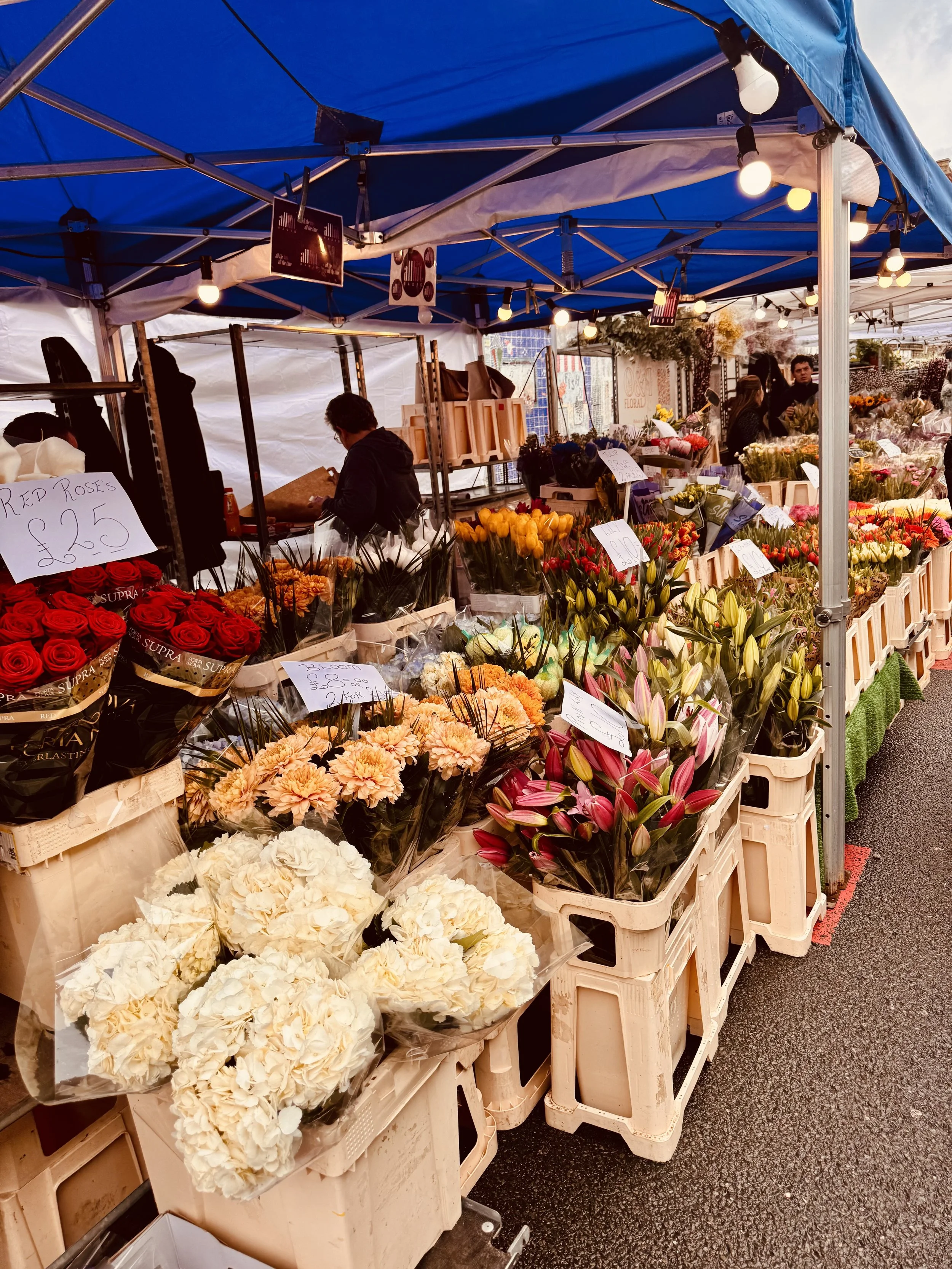
A Sunday street market bursting with flowers and character. Be sure to stop into the many charming shops along the street.
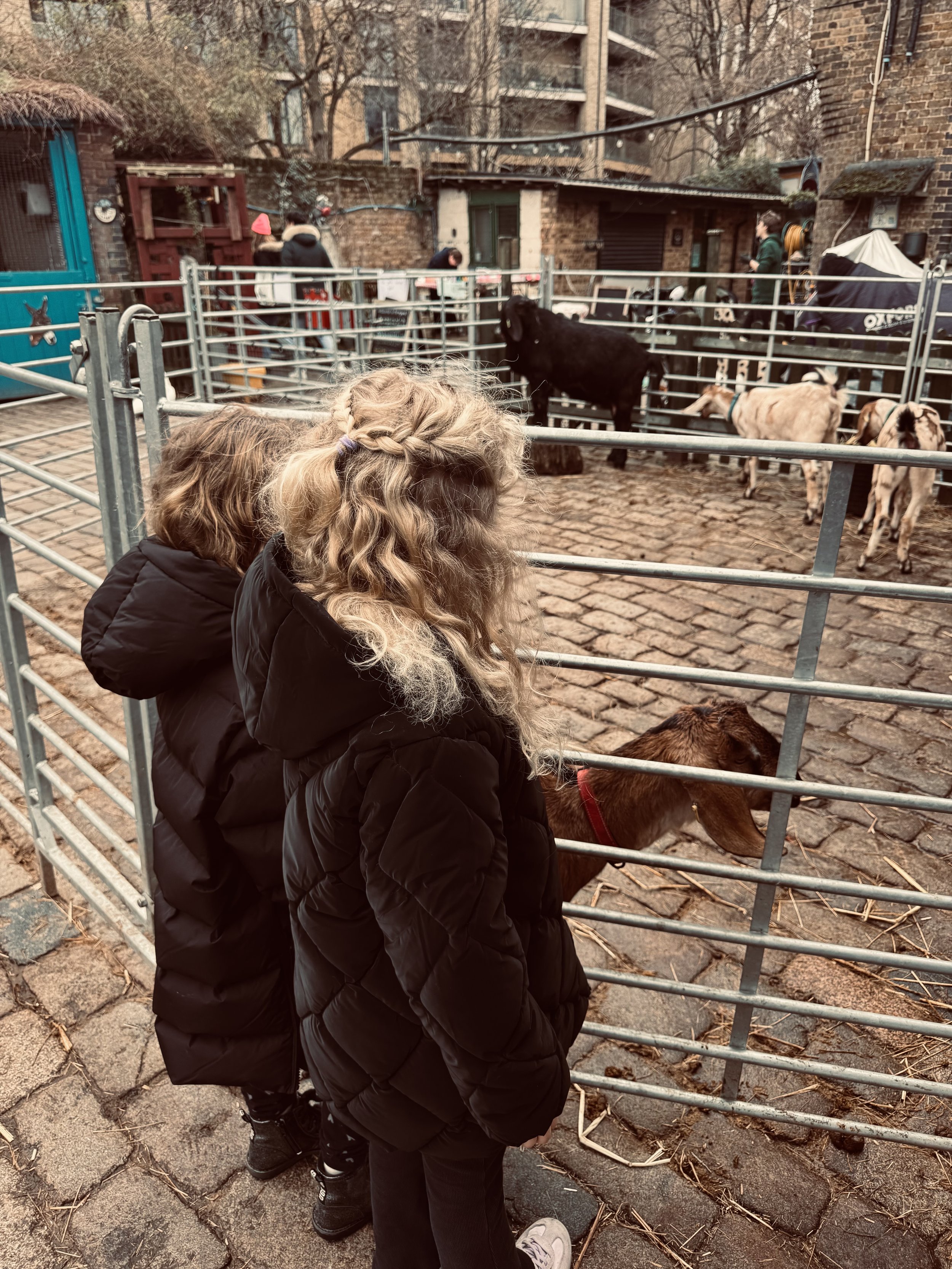
Free urban farm with friendly animals, gardens, and a great café.
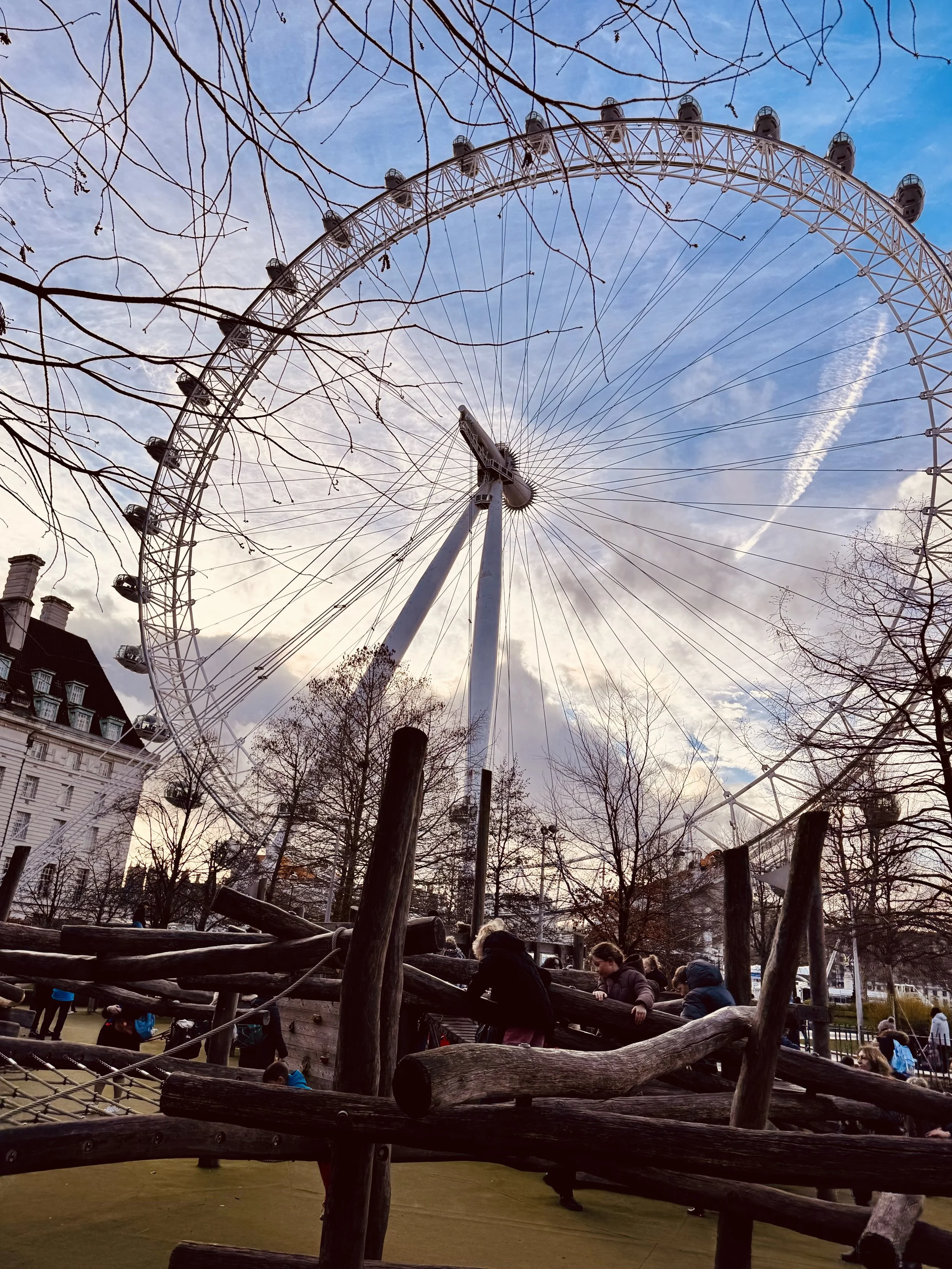
London's riverside stroll along the Thames, packed with landmarks, food options, playgrounds and street performers.
QUICK HISTORY
London began as a Roman trading post along the Thames — and grew, through centuries of upheaval and reinvention, into the center of a global empire.
The city today is built in layers. Medieval streets still wind through the modern grid, and in the old City, names like Bread Street, Milk Street, and Fish Street quietly trace what was once bought and sold there. After the Great Fire of 1666, London rebuilt itself stronger — a pattern it would repeat through war, change, epidemics like cholera and perpetual growth.
Now, London is a booming city filled with culture, diversity, creativity and historical landmarks, but perhaps most eye-catching are the people. The energy, eccentricities and street style will leave you inspired. Our kids even asked, repeatedly, “Why is everyone in London so fancy?”
A WEEKEND IN LONDON
A long weekend in London with kids, based in Shoreditch. We like this part of the city because it feels a little more like living in London than visiting London (and the streets aren’t insanely busy to drag suitcases through with kids). There are other, more centrally located London hotels listed below, but in all of our research, the food scene and the shops and activities that piqued our interest most centered around Shoreditch.
FRIDAY
ARRIVE → SETTLE IN → DISHOOM
CHECK-IN
Check in and chill for an hour. If you've read our other guides, you know we've learned that kids like to settle in. You can use this time to shower, charge your devices, grab an espresso, or head to the bar for a drink while they unpack their stuffies and make themselves at home in the new hotel.
If you start to feel anxious like you’re wasting time, try to remember that the city has been here for centuries and isn't going anywhere.
BEGIN | LABOUR AND WAIT
Put on the coolest clothes you brought, London has incredible street style and you don’t want to feel underdressed. As you make your way to dinner, Stop at Labour and Wait on Redchurch Street. It's the kind of shop where everything is functional and beautiful: enamelware, Japanese tools, linen aprons, brushes that are completely unnecessary yet you’ll feel compelled to purchase. We still regret not buying the orange enamel tumblers.
It closes at 6 - so stop here before dinner.
DINNER | DISHOOM
~£15–25/person
Dishoom is the perfect introduction to London's food scene.
Order the black dal (it's been simmering for 24 hours), the chicken ruby, and the house-made paneer. The room is vibey — all dark wood, and good lighting. Kids are welcome here with crayons and a dedicated menu. There will be a wait if you didn't book a table. It moves quickly but book ahead if your kids are young and short on patience — some Dishoom locations take reservations until 5:45pm.
SATURDAY
SPITALFIELDS → THE SOUTH BANK → SHOREDITCH
MORNING | SPITALFIELDS MARKET
Start at Spitalfields, which has been a market since the 1600s and is a great place to wander without much of a plan. Saturday is the vintage and antiques day, so expect beautiful clutter: old maps, mid-century glassware, leather products and plenty of food stalls.
The covered hall is also a very good thing to have in your back pocket when London is doing its usual grey-and-rainy thing. Eat breakfast here, wander a little, then get on the Tube to see the landmarks.
LATE MORNING | LONDON EYE
~£30–35/adult, ~£24/child
The Eye is actually a great first look at London because you can understand the city spatially—the bend of the Thames, where the parks sit, how the towers of the City cluster in the east. The rotation takes about 30 minutes and is slow enough that even apprehensive kids should be fine.
Book ahead. The line is well managed and moves smoothly but time slots do fill up and we like things to be easy. (When you book your tickets online, look for bundles with the hop on/off bus or the aquarium, this will save you a few pounds).
LUNCH + PLAY | JUBILEE GARDENS + SOUTH BANK CENTRE FOOD MARKET
Let the kids run at the Jubilee Gardens playground (just behind the Eye) and then head to a place where everyone chooses their own lunch — The SouthBank Centre Food Market. We love a good European food market for family travel because everyone gets to pick their own adventure.
The Food Market is outdoors, so if the weather is bad, we recommend heading indoors to Brewdog Waterloo with its giant slide, classic kids menu and abundance of tables.
AFTERNOON | SEA LIFE AQUARIUM → QUEEN'S WALK → BOROUGH MARKET
If you need an indoor activity, Sea Life is right there and the kids will love it: sharks, rays, penguins, the Ocean Tunnel and plenty of things for kids to touch and look at.
Afterward, walk east along the Queen's Walk. The stretch between Westminster and Borough is one of the great urban walks in Europe, with the Thames on one side and booksellers, buskers, skateboarders and playgrounds on the other. Let the kids run. Stop outside Tate Modern - wander into the gift shop (a museum of its own) and buy a David Shrigley Tote Bag for you or a children’s sketchbook that doubles as a souvenir and instant activity for them . Next head to London’s nearly 1,000-year-old Borough food market packed with amazing vendors, fresh produce, baked goods, cheeses, meats, and plenty of things to eat while you wander.
DINNER | PADELLA
~£12–18/person
A place Londoners revere and for good reason, Padella delivers fresh, delicious pasta for great prices— the pici cacio e pepe blew our minds. The food is simple, the wine list is thoughtful and the prices are almost suspiciously cheap.
The Borough Market location is the original and the coolest, but it doesn't take reservations, so if there’s a long wait with kids we'd probably take the Shoreditch location and book a table.
EVENING | OWL & PUSSYCAT
Walk to Owl & Pussycat, This beautiful building has housed a pub since the 18th century with low ceilings, and a covered garden out back with heaters for when it’s cold. It draws everybody: Locals, office workers and the creative crowd, so you and your kids will feel welcome too.
RAINY DAY SWAP
Skip the South Bank walk and go to the Museum of London Docklands instead. It's free, kid-friendly, and the section on the history of the port is very interesting. Or take the Tube to the Natural History Museum, which is also free and has an animatronic T. Rex!
SUNDAY
COLUMBIA ROAD → HACKNEY → HIGH TEA
MORNING | BREAKFAST AT KYBELLE
~£15–20/person
A stylish Shoreditch café that does an elevated Full English alongside Mediterranean-ish breakfast favorites. Yes, it's touristy. You should do it anyway. It's one of the easiest ways to let kids see how London fits together.
MID MORNING | COLUMBIA ROAD FLOWER MARKET
Free · Sundays, 8 AM–3 PM
If you do one market in London, make it this one. Every Sunday, Columbia Road becomes a single long street of flower stalls—tulips, peonies, sweet peas and whatever happens to be in season—surrounded by coffee shops, bakeries and little independent stores including our favorite, Nom Living. The vendors will scare and kind of charm you with their very specific East London brand of shouting. Go before 10 AM, when the street gets completely packed.
Since 1998, Nom Living has been bringing directly sourced artisan work from Vietnam and Cambodia to Columbia Road. The shop is full of ceramics and stoneware that feels well made and functional. We wanted everything. The good news: most things are small enough to fit in your carry-on. Open Sundays Only, so time it with the market. 10 AM–4 PM.
LATE MORNING | HACKNEY CITY FARM
A ten-minute walk from Columbia Road, Hackney City Farm ( open Tuesday–Sunday 10am–4:30pm) is a free urban farm tucked into the backstreets, with pigs, goats, donkeys, chickens, and a vegetable garden that the farm uses to supply its café. It is entirely free (though there are a few contactless pay machines for donations) and the morale boost of doing something just for them might earn you a little more lenience throughout the day with your kids . The café does good coffee and serves food made from the farm's own produce. There is a great playground opposite the farm behind the soccer field.
LUNCH | SMOKING GOAT
~£20–35/person
Thai barbecue with charcoal, lemongrass, fish sauce caramel and plenty of bird's-eye chilis. This isn't really a kids-menu restaurant, but adventurous kids can do very well here. If not, there is always plain rice.
Get the crispy rice salad, pork sausage and vegetables. Order a Singha for yourself.
LUNCH OPTION 2 | GLORIA TRATTORIA
If Thai food feels like too much after three days of travel, Gloria is an excellent and easier family choice: pasta, pizza, a gorgeous room and a dedicated kids menu. Save room for the pistachio gelato.
AFTERNOON | HIGH TEA
~£35–75/person · Children's menus available
This is where we'd put the formal London experience. Not because you need to eat tiny sandwiches in a fancy room to feel you've been to London—but because, after a weekend of wandering, it's actually fun to sit and linger and receive a steady stream of little treats.
The Ritz is the famous one, and priced accordingly. from (From £95/adult, £73/child)
Brown's has been doing afternoon tea since 1837 and feels a little quieter. (From £80/adult)
For kids, Ampersand Kensington around (From £70/adult, £45/child) does a dinosaur-themed tea with dry ice and science experiments, while One Aldwych (From £75/adult, £55/child) goes full Charlie and the Chocolate Factory.
Rubens (From £70/adult, £45/child) is another good family option, with Royal Mews and Buckingham Palace views.
IF YOU’RE HUNGRY AFTER TEA
LATE DINNER| BLUE MAID PUB
~£6–10/pint
Near the Borough Market stop, the Blue Maid is one of Borough's oldest pubs, with roots going back to the 1500s. It's been renovated, but still feels like a proper old London pub— End the weekend by treating yourself to wide selection of great British Beers in a classic pub environment as you order your kids pizza or burgers from the QR code sheet (left in a defiant juxtaposition on the ancient wooden tables).
The Hop-On Hop-Off Bus
~Ticket Prices vary depending on selection
Surprisingly, we love a bus tour. You’ll want to wait for a dry day for this as you want to sit upstairs for the view and the top deck seating is only partially covered. This is the perfect way of covering ground and learning about a city’s history without getting lost or dealing with grumpy kids.
The Red Line passes Buckingham Palace, Big Ben, the Houses of Parliament and Tower Bridge. The full loop takes around 2½ hours, but you can hop off whenever something looks interesting. Pro Tip: There are headphones with plug-ins at each seat, so if you’d like to learn about what you’re seeing, pack your younger children an activity to do while seated so you can listen. Older or more studious kids might enjoy the audio tour as well.
Look at Combo Tickets on the website as you can often bundle The London Eye or Tower of London tickets with the Bus Tour for a few less pounds.
BOOK AHEAD | LONDON THEATRE
London’s Theater scene is something special. From its rich history (think Shakespeare) to its modern worldwide prestige - you don’t want to miss a big West End production (like The Lion King, Matilda, Wicked and Paddington) alongside shows made specifically for younger kids.
We made the rookie mistake of booking too late and everything we wanted was sold out. Don't do what we did.
WHERE TO STAY
We look for hotels with real character in the right neighborhoods that can actually accommodate 4 people — which is surprisingly hard to find across the whole European continent.
SHOREDITCH
One Hundred Shoreditch
From £250/night
Our favorite family option, and the one we’d book first. Purpose-built connecting layouts give everyone a real bed, while the beautifully designed rooms, great food and cocktails, and rooftop views make this feel like a destination in itself.
SHOREDITCH
Virgin Hotels Shoreditch
From £220/night
We like the Virgin vibe in general, and while it may not come to mind as kid-friendly, it’s surprisingly easy with kids once you know what to book. Book the Double Queen Room or the Family Chamber — the latter gives you two connected spaces with a sliding privacy door, so you can put the kids to bed without ending your own night. The beds are comfortable, there’s enough room to spread out and stash luggage, and you don’t feel like you’re tiptoeing around each other. The vibe downstairs leans adult — rooftop pool, lively bar — but the staff doesn’t blink at families, and the location makes exploring Shoreditch incredibly easy.
SOUTH BANK
Sea Containers London
From £300/night
One of our favorite South Bank options, with seriously cool nautical-inspired design and some of the best Thames views in London. With family rooms, connecting options, and walking access to the London Eye, Tate Modern, Borough Market, and Sea Life, it’s hard to beat for a first London trip with kids.
PADDINGTON
Inhabit Hotel
From £300/night
A beautifully designed, wellness-focused hotel in Paddington with calming rooms, natural materials and a more residential feel. The Family Rooms sleep 4, and are often reasonably priced for this very expensive city. This location near Hyde Park and Paddington Station makes it an easy, quieter base for exploring London and Paddington is serviced by a 15 minute express train to/from Heathrow.
Super Luxe Kensington:
Milestone Hotel
From £495 per night; family accommodations cost more.
A beautiful, five-star Victorian hotel opposite Kensington Palace and Gardens, with elegant, interconnecting rooms and a magical kids’ suite with bunk beds. Perfectly located and a definite splurge, but the kids will love it.
Hotel pricing is dynamic and subject to change.
A FEW THINGS TO KNOW
BOOK AHEAD: Dishoom, the London Theater, Afternoon Tea, and the London Eye are the things we’d book well before you arrive. The rest is pretty easy to wing.
BUNDLE YOUR TICKETS: London isn’t cheap. The pound is worth considerably more than the dollar and prices are similar. Bundling your tickets to the icons, the aquarium, the hop on and off bus can save you significant money when you’re buying for the whole family.
UK ENTRANCE REQUIREMENTS|THE E.T.A .The United Kingdom now requires an Electronic Travel Authorization for U.S. citizens. The cost is $20 and it’s good for UK travel for up to 2 years or until your passport expires. You must purchase one ahead of time for each traveler. Apply Here.
GETTING AROUND: The tube is efficient. And there is no need wait in line to purchase a physical transit ticket. Just tap a contactless credit card on the Tube and buses. Kids under 11 ride free with an adult.
TIPPING: 10–12.5% at restaurants is typical. At cafés and casual spots, rounding up is plenty.
Cleaning Up After Your Children is Appreciated Everywhere.
IF YOU HAVE MORE TIME: MORE CITY FARMS
One of our favorite things about London with kids is how many little farms are hiding in the middle of the city. Goats, pigs, donkeys, horses and chickens — sometimes with Canary Wharf or a Tube station just beyond the fence. They’re generally free, and a small donation goes a long way.
Spitalfields City Farm — just a short walk from Brick Lane, with goats, sheep, rabbits, chickens, gardens and a café. Open Tuesday–Sunday.
Vauxhall City Farm is a good one if you're south of the river, with horses, alpacas and a riding school offering sessions for kids.
Mudchute Park & Farm on the Isle of Dogs and much farther from this itinerary, but if you have time and the kids need a reset, it’s 32 acres of actual countryside in the shadow of Canary Wharf.
WORTH A MENTION: ST. JOHN BREAD & WINE
Just across from Spitalfields, St. John Bread & Wine is the casual sibling of Fergus Henderson’s legendary St. John, serving old-school British food without any of the fuss. Great bread. Exceptional butter. Generous portions and fries. Don’t skip the Madeleines — made to order and worth the 15-minute wait.
It might not scream kids’ restaurant, but that’s a good thing. The room is warm and unfussy, and there’s plenty on the menu for less adventurous eaters. Order whatever the board says is good that day.